South African wine has a story that reaches back to the middle of the seventeenth century, and the country continues to produce bottles that earn attention from critics, collectors, and casual drinkers alike. For anyone building a wine list, stocking a retail shelf, or simply looking for something new to pour at home, Cape Ruby and Cape Tawny are two styles that capture the warmth, depth, and character of South African winemaking. They also offer a useful entry point into a category that many customers are only beginning to explore.
A Wine History Rooted in Cape Town
The first bottle of South African wine was produced in Cape Town in 1659 by Jan van Riebeeck, the settlement's founder and governor. That single bottle marked the beginning of a national tradition that has grown into one of the most dynamic wine industries in the Southern Hemisphere. Today the industry speaks with one voice through South Africa Wine, the national body that represents the people who grow grapes, make wine, build brands, and run the businesses that bring these bottles to market.
The modern chapter of this story began in the early 1990s. After a long period of isolation, established winemakers re-emerged onto the international scene, and a wave of new wines, wineries, and highly qualified winemakers followed. Vineyards were replanted, cellars were modernized, and a new generation of producers began crafting wines with an eye toward the global market. That transformation explains why South African wine now appears on serious wine lists in so many different countries.
A Climate That Suits the Vine
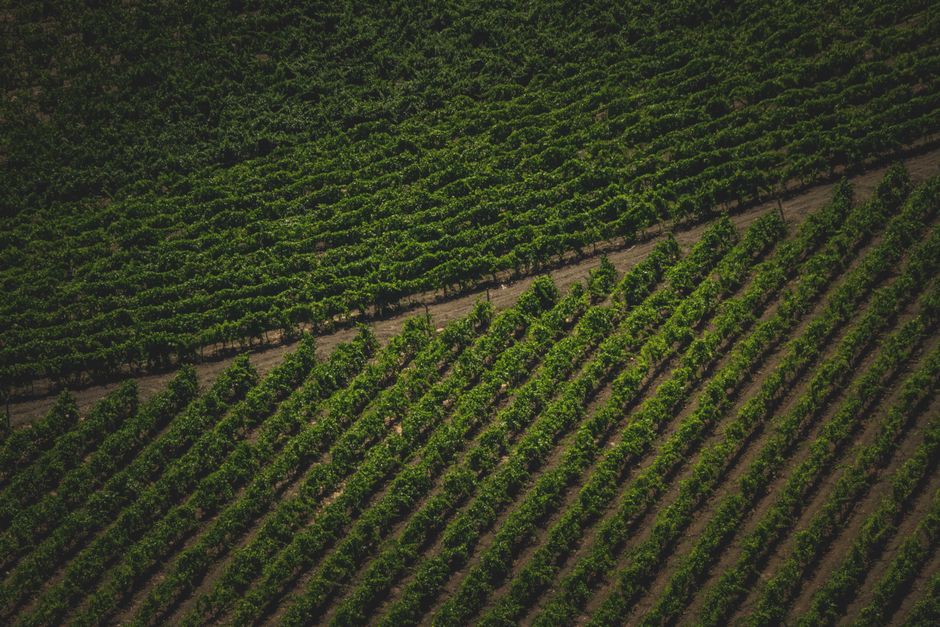
South African vineyards grow in a mild Mediterranean climate that is similar to the south of France. Warm, sunny days combine with cooling influences from the surrounding oceans to give the grapes a long and even ripening season. That balance shows up in the finished wines as freshness, moderate alcohol, and a clean expression of fruit.
The range of grapes planted across the country is broad. Chenin Blanc and Chardonnay anchor the white side of the portfolio, while the reds include Shiraz, also known as Syrah, Cabernet Sauvignon, Cinsault (or Cinsaut), and Pinot Noir. Above all, South Africa is known for its signature red grape, Pinotage, a homegrown variety that has become a Cape favourite and a symbol of the country's winemaking identity.
The Regions That Define the Category
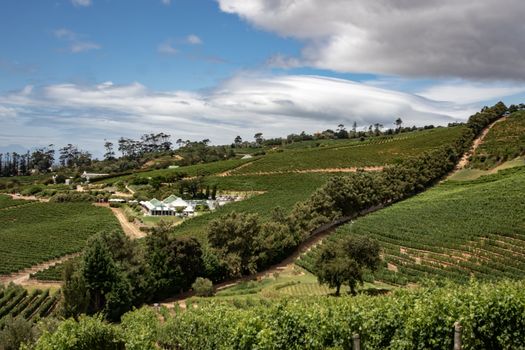
Most conversations about South African wine begin with its best-known regions: Constantia, Stellenbosch, Franschhoek, Paarl, and the Elgin wine route. These names appear on labels throughout the market and are the regions most often recommended to visitors. Each area brings its own combination of soil, elevation, and climate, so a bottle from one region can taste noticeably different from one made just a short drive away.
That diversity is one of the great strengths of the category. It gives buyers a broad range of styles to choose from and gives drinkers a reason to keep exploring. If the goal is a bold red for a steakhouse menu or a fresh white for a seafood list, the regions of South Africa offer something to fit the need.
What Cape Ruby and Cape Tawny Bring to the Glass
Cape Ruby and Cape Tawny are two classic styles of fortified wine with a long presence in South African cellars. They belong to the same family of wines that drinkers know from other parts of the world, but they carry a distinctly South African identity through the grapes and the local approach to winemaking.
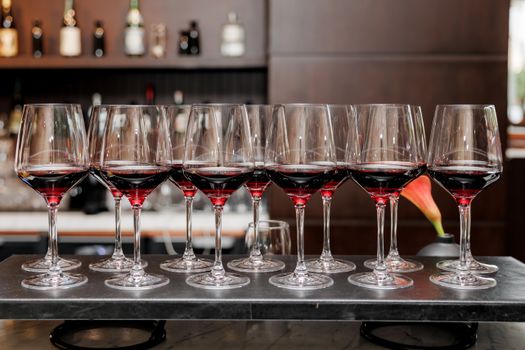
Cape Ruby is the younger, fruitier style. It pours a deep, bright red and delivers generous berry flavours that come from a relatively short time in wood. The emphasis is on freshness and energy, which makes it a welcoming style for drinkers who may be trying a fortified wine for the first time.
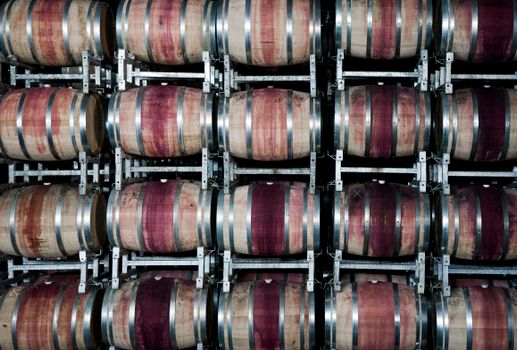
Cape Tawny takes a longer path. It matures for extended periods in wood, gradually taking on amber tones along with a softer texture and mellow flavours of dried fruit. That extra time in barrel gives Cape Tawny a complexity that rewards slow sipping and makes it a natural choice for the end of a meal.
Both styles are traditionally enjoyed after dinner, where their natural sweetness and richness pair well with desserts, aged cheese, or a quiet glass on their own. They also pour beautifully by the glass in a restaurant setting, which makes them practical additions to any after-dinner program.
Why South African Wine Is Worth the Attention
The quality of today's South African wine is supported by professional tastings. The team at JamesSuckling.com rated more than 850 South African wines for its Top 100 Wines of South Africa 2024 report, tasting in both the Western Cape and in its Hong Kong office. The strength of that tasting field underlined a broader point: South Africa is producing wines that can hold their own on the international stage.
Part of the appeal lies in the mix of familiar and unique. Drinkers know Chardonnay, Shiraz, and Cabernet Sauvignon, but Pinotage and the many faces of Chenin Blanc offer something they cannot find elsewhere. That sense of discovery, combined with real quality, gives the category a strong story to tell.
Independent guides have also noted the enthusiasm that South African wine generates. The Wine Society's guide observes that member attendance and response at annual tastings has been enthusiastic, even if sales have remained modest. That gap between interest and purchases suggests the category is still being discovered, which creates an opening for wine shops and restaurants to be the ones who introduce it to a wider audience.
How to Serve and Sell Cape Ruby and Cape Tawny
For a restaurant or wine shop, Cape Ruby and Cape Tawny offer practical benefits. They are distinctive without being hard to explain, and they give staff a simple story to tell: fortified wines from a country whose winemaking history dates back to 1659. A short note on the menu or shelf can be enough to spark a customer's curiosity.
These styles also reward thoughtful pairing. Pouring Cape Ruby alongside a dark chocolate dessert or a plate of aged cheese lets the wine's fruit come forward. Cape Tawny, with its mellow, developed character, works beautifully with nuts, dried fruit, or a cheese course. Offering them by the glass gives diners a low-risk way to try something new at the end of a meal.
For venues that host tastings, Cape Ruby and Cape Tawny are easy to pour and easy to compare. A side by side tasting shows how time in wood changes a wine, turning bright fruit into something deeper and more complex. That kind of simple comparison can turn a curious guest into a loyal customer.
The Business Case for South African Wine
For buyers, South African wine offers a strong story backed by organized industry leadership. South Africa Wine speaks for those who grow grapes, make wine, build brands, and run businesses, giving the category a coordinated voice. That institutional support, combined with the enthusiasm the wines generate at tastings, makes South Africa an attractive option for venues that want to offer customers something beyond the usual selection.
The country's winemaking history also gives it a narrative that is easy to communicate. A wine that traces its lineage back to 1659 has a sense of place that is hard to replicate, and when that history is paired with modern winemaking skill, the result is a category with both depth and relevance.
Frequently Asked Questions
Here are answers to common questions about South African wine and the fortified styles that have made the country famous among dessert wine lovers.
Is South African wine any good?
Yes, and the professional tastings support that view. In its Top 100 Wines of South Africa 2024 report, the team at JamesSuckling.com rated more than 850 South African wines, tasting in the Western Cape and in Hong Kong, and the best bottles from that year showed exceptional quality. The country's Mediterranean climate, historic regions, and recent generation of skilled winemakers all support its growing reputation.
Which wine is South Africa famous for?
South Africa is known for its signature red grape, Pinotage, plus Chenin Blanc and many other international varieties. The most popular South African red wines are Shiraz (Syrah), Cabernet Sauvignon, Cinsault (Cinsaut), and Pinot Noir, with Pinotage leading as the homegrown Cape favourite. Chenin Blanc is a white grape closely associated with the country.
What are the best South African wines?
The most popular South African red wines are Shiraz (Syrah), Cabernet Sauvignon, along with Cinsault (Cinsaut), Pinot Noir, and the homegrown Cape favourite, Pinotage. On the white side, Chenin Blanc and Chardonnay are the names to know. Fortified styles such as Cape Ruby and Cape Tawny also represent a distinctive part of the country's wine tradition.
What are the best-known wine regions in South Africa?
The best-known wine regions include Constantia, Stellenbosch, Franschhoek, Paarl, and the Elgin wine route. These regions anchor the country's wine identity and are the names that buyers and travellers encounter most often. The variety of climates and landscapes across these regions helps explain the range of styles that South Africa produces today.
What grapes are used in South African wine?
South Africa grows a wide range of international varieties, including Chenin Blanc, Chardonnay, Shiraz (Syrah), Cabernet Sauvignon, Cinsault (Cinsaut), and Pinot Noir. The country is also known for its signature red grape, Pinotage, which is the homegrown Cape favourite and a symbol of South African winemaking identity.